

Buying a SHERP is not like buying a side-by-side or adding another pickup to your fleet. Most first-time owners spend weeks or months thinking through the decision. It’s a serious machine built for serious terrain. And almost every owner, after spending time with it in real conditions, says some version of the same thing: “There are a few things I wish I understood better before I bought it.”
Not because they regret the purchase. Usually, it’s the opposite. It’s because once they see what it can actually do, and what it’s designed for, they realize they were looking at it the wrong way in the beginning. If you’re considering a SHERP, here’s what first-time owners consistently say they wish they had known upfront.
It’s a Different Category of Vehicle
A lot of people initially compare SHERP to UTVs, ATVs, tracked vehicles, or heavily modified off-road trucks. It has four wheels. It goes off-road. It looks aggressive. So the first instinct is to compare specs. First-time owners often say they wish they had stopped doing that earlier.
SHERP isn’t about speed. It isn’t about high horsepower numbers. It’s not built to blast down trails or run dunes. It’s built for terrain where other vehicles stop working. Like muddy terrain that swallows axles and snow that collapses under weight. Swamps. Tundra. Flooded zones. If you judge it by trail-speed standards, you’ll misunderstand it. If you judge it by “can it get there when nothing else can?” standards, it starts to make sense. Owners who adjust their expectations early tend to be the happiest long term.
The Tires Are the Real Story
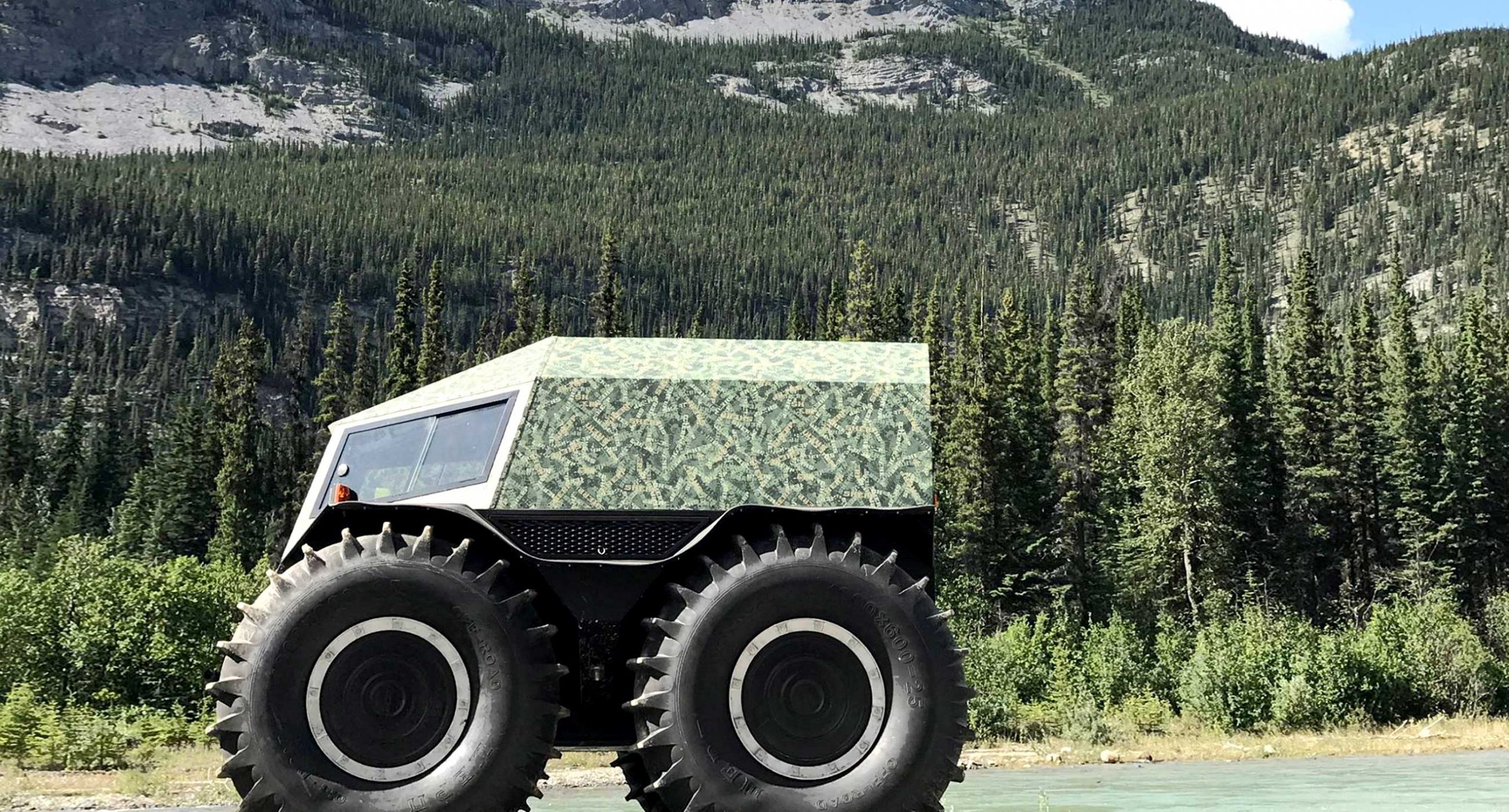
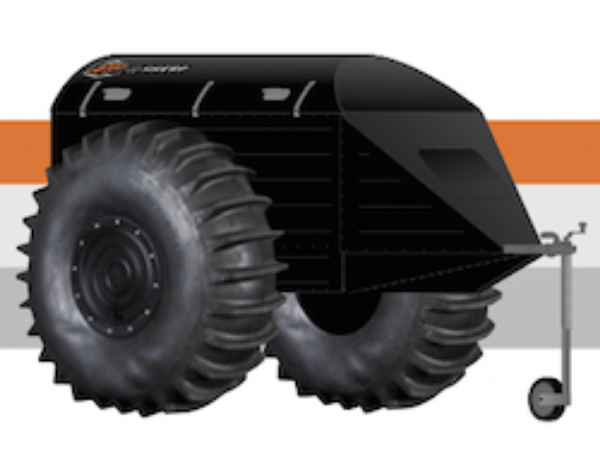
Before purchasing, many people focus on the body, engine specs, or amphibious capability. After ownership, almost everyone talks about the tires. The oversized, low-pressure tires are what make SHERP work. They’re not just big for appearance. They distribute weight across a large surface area, allowing the vehicle to float over terrain that would bury other machines.
New owners often say they underestimated how important this was. They assumed horsepower or drivetrain was the main advantage. In reality, the tire design does most of the heavy lifting. Understanding this before purchase helps align expectations. You’re investing in mobility through flotation and traction, not just engine output.
It Changes How You Plan Access
One thing many owners didn’t anticipate is how SHERP changes logistics planning. Before owning one, companies often build plans around terrain limitations. They schedule work during frozen months. They avoid certain areas during thaw. They stage extra recovery equipment. They reroute around wetlands.
After purchasing a SHERP, those constraints often shift. First-time owners say they wish they had realized how much it would simplify planning. It reduces the need to constantly ask, “Will we be able to reach it?” Instead, access becomes more consistent. That doesn’t mean it replaces planning entirely. It just removes a lot of uncertainty.
It’s More Practical Than It Looks
From the outside, SHERP can look extreme. Oversized tires. Boxy shape. High ground clearance. For some first-time buyers, there’s an initial concern that it might be more novelty than tool. After putting it to work, that perception usually disappears.
Owners quickly realize the design is practical. The amphibious capability eliminates the need for separate watercraft in certain operations. The low ground pressure directly reduces sinking and rutting. Many say they wish they had understood earlier that SHERP is built around function, not appearance.
SHERP Operator Training Matters
Another common insight from first-time owners is that driving a SHERP requires a different mindset. It’s not difficult to operate, but it’s different from conventional vehicles. The steering feel is unique. Tire pressure adjustments become part of normal operation.
Some owners admit they initially tried to drive it like a truck or ATV. Once they adjusted to its intended pace and control style, performance improved. Understanding that before purchase helps with training.
It Reduces Recovery More Than Expected
Many first-time buyers justify the purchase based on expected recovery savings. After ownership, they often say the reduction in recovery needs exceeded expectations. Remote operations frequently deal with stuck vehicles. Every recovery event costs time and money.
SHERP doesn’t eliminate risk entirely, but it dramatically reduces the number of situations where outside assistance is needed. Some owners realize, in hindsight, they were underestimating how much downtime was costing them before. When recovery becomes rare instead of routine, the value becomes clearer.
Maintenance Is Different, Not Necessarily More
Before buying, some people worry about maintenance complexity. It looks specialized, so the assumption is that upkeep might be complicated. First-time owners often say they were surprised that maintenance is straightforward. Like any heavy equipment, it requires regular inspection and care. But it’s designed for remote environments where simplicity matters.
The key difference is consistency. Keeping tires properly managed, understanding inflation systems, and performing regular checks becomes part of normal operation. Owners who treat it like heavy-duty equipment rather than a recreational toy tend to have the best experience.
It’s Not for Every Operation
One of the more honest things first-time owners say is that SHERP isn’t necessary for everyone. If your work stays on maintained roads or stable surfaces, there are more cost-effective options. SHERP’s value shows up in unstable, unpredictable terrain where access is unreliable.
Understanding your actual terrain conditions is critical before purchase. Owners who clearly defined their use case ahead of time are the ones who feel most confident about the investment. It’s not about owning the most capable machine available. It’s about owning the right tool for your environment.
It Holds Value Better Than Expected
Resale value is something many first-time buyers don’t fully think through. Because SHERP fills a niche where demand is tied to real operational needs, resale demand tends to remain steady. Owners often find that the secondary market is stronger than they assumed. This doesn’t eliminate depreciation, but it softens long-term ownership cost. Businesses that evaluate lifecycle cost rather than sticker price usually appreciate this more over time.
It Expands What’s Possible
Many owners admit that before purchasing, they saw SHERP primarily as a solution to existing problems. After owning one, they began identifying new opportunities. Projects that were previously delayed became feasible. Access routes that were avoided became usable. Emergency response plans became more reliable. It’s not that SHERP creates work. It removes limitations. That shift, from reactive problem-solving to proactive capability, is something several first-time owners say they didn’t anticipate.
It Requires ROI Evaluation
One thing nearly every experienced owner agrees on is that the decision should be grounded in numbers. Look at your recovery history. Calculate downtime costs. Estimate seasonal shutdown impact. Consider equipment loss risk. Factor in safety exposure. When the decision is based on actual operational data rather than emotion, it becomes clearer. Owners who ran the numbers carefully tend to feel validated after purchase. Those who treated it as an impulse buy for appearance or novelty often reassess their priorities quickly.
It’s a Long-Term Tool
A SHERP isn’t something most businesses rotate out quickly. It’s a long-term asset designed for harsh conditions. First-time owners say they wish they had thought more in terms of five to ten year planning from the beginning. When viewed over that timeline, the annualized cost often feels more reasonable. Thinking short term makes it seem expensive. Thinking long term reframes the discussion.
What Most SHERP Owners Agree On
When you talk to people who’ve owned a SHERP for a while, the tone is usually practical. Not flashy. Not exaggerated. They’ll tell you it’s slow compared to other off-road vehicles. They’ll tell you it’s not built for racing. They’ll also tell you it keeps moving when other vehicles don’t.
Most first-time owners wish they had understood earlier that SHERP is purpose-built equipment for specific terrain challenges. It’s not about image or raw specs. It’s about reliable access. If you’re considering purchasing one, take the time to evaluate your terrain, operational history, and recovery costs. Talk to existing owners. Ask real questions. The people who do that homework tend to feel confident long after the purchase is complete.